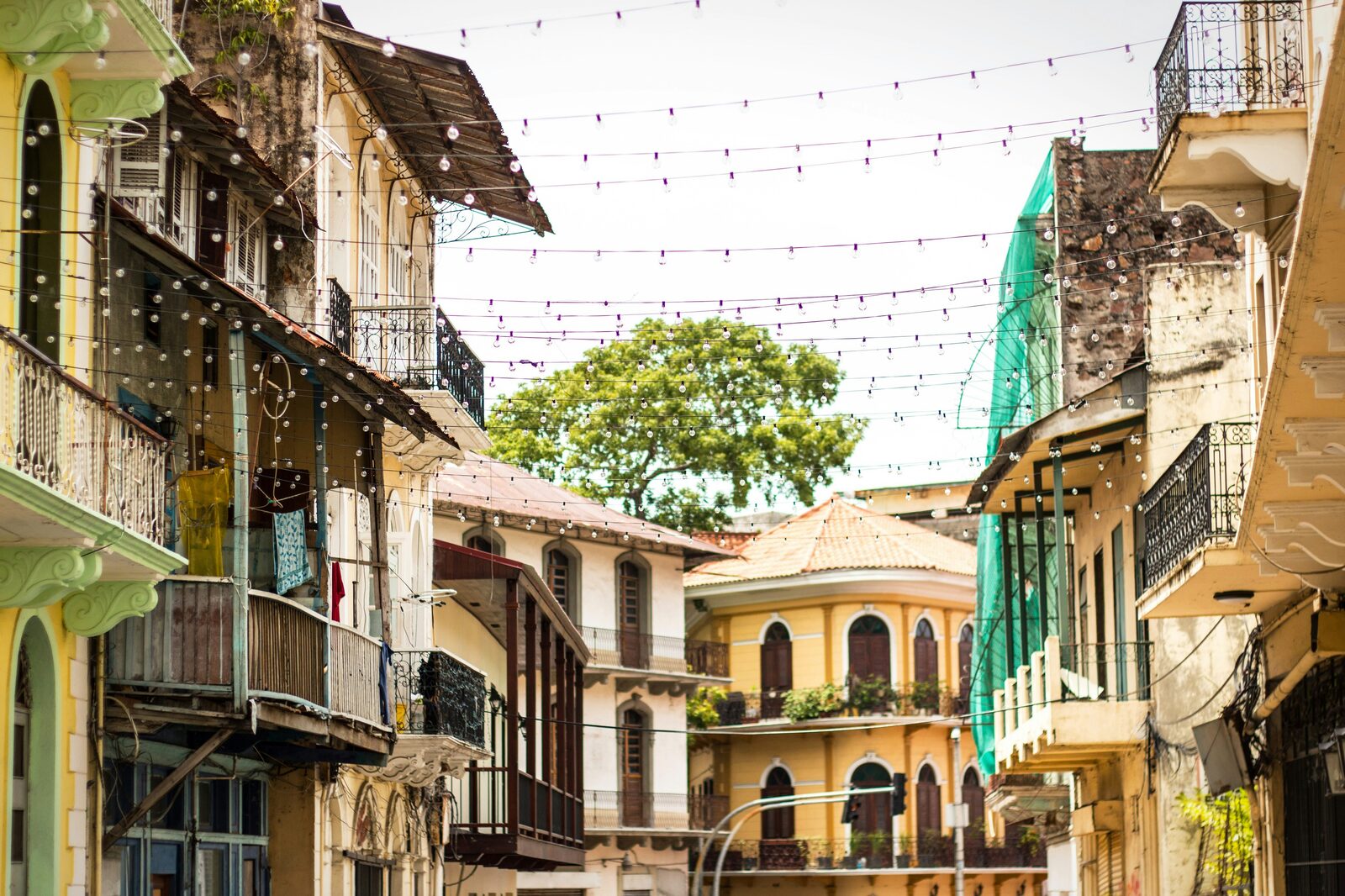
I've spent years working in Panama City's real estate market, and this is, without a doubt, the question I get asked most by investors: is it worth buying for short-term rentals? The short answer is yes, but with nuances that few agents are willing to explain honestly. Not every area works, not every building is permitted, and the market is shifting faster than most buyers realize.
I come from the hospitality industry. I studied a degree in Tourism with an emphasis in hotel and cruise services, and I worked for more than five years at some of the best hotels in Panama. That background is exactly why I put so much emphasis on this topic: you can't invest in a short-term rental unit without first understanding how the country's hotel and tourism industry actually moves. Real estate and hospitality are far more connected than most investors assume.
What's happening with unit sizes
Over the past few years I've seen a very clear shift in the product developers are building: housing units have shrunk by as much as 60% to fit the short-term rental model. Yet the price per square meter hasn't dropped — if anything, in many projects it remains the same or even higher than before. Developers are making up the difference with amenities, and I'm not talking about a gym and a pool. Today it's common to find podcast rooms, music recording studios, coworking spaces, private cinemas, and rooftop bars. The product got smaller, but the experience surrounding the building got a lot more sophisticated.
Is it an attractive business? Yes, but with conditions
From my perspective, the Airbnb market in Panama is still very attractive. Buying smart, around the $200,000 mark, it's realistic to target annual returns between 12% and 20%. That's not a small number, and it's the reason so many foreign investors are looking at Panama.
And tourism numbers back up that appeal. Panama closed 2025 with more than 3 million international visitors, an 8.2% increase over 2024, and tourism revenue reached $6,583 million, a 9.7% increase compared to the previous year. For an investor, that means a tourism demand base that keeps expanding year after year.
But here comes my honest warning: you need to be very careful when investing in properties that depend exclusively on Airbnb in Panama City.
The saturation that's coming
Over the next 2 to 3 years, more than 3,000 new units earmarked for short-term rentals will hit the market, spread across more than 7 different projects in the city. You don't have to be a genius to predict what happens next: more supply competing for the same tourist demand means pressure on rates and occupancy, especially for units that don't have something that makes them stand out.
What will determine who wins and who doesn't in that scenario? Location. Proximity to tourist attractions, business districts, and points of interest will be the factor that separates units that rent consistently from those left sitting empty, competing only on price.
Panama City is a relatively small city, but its infrastructure limitations mean that areas farther from the center still present challenges in mobility, transportation, and walkability. Don't get me wrong, Uber is accessible and rates remain low compared to other cities, but with the sustained rise in gas prices, it's reasonable to expect that transportation cost to climb in the coming years. That makes your unit's strategic location literally part of your return on investment.
What the law says today, and what could change
Before buying any unit with Airbnb in mind, there's something non-negotiable: knowing Law 80 of 2012. Its Article 21 prohibits rentals shorter than 45 days in the Panama district unless the property holds a tourist lodging permit issued by the ATP, with fines ranging from $5,000 to $50,000. In practice, this means renting your apartment on Airbnb for 3 or 5 nights in a regular residential building, without the proper permit, is illegal — even though the reality of the market has far outpaced that legal framework: there are an estimated more than 13,000 properties currently operating as Airbnb in the country, around 4,000 of them in the capital city, most without this permit.
Here's the part every investor should follow closely: there's currently a bill before the National Assembly, pushed by congressman Neftalí Zamora together with an association of Panamanian hosts, that seeks to formalize and regulate this activity. The proposal would eliminate the current penalties under Law 80, create a national registry for hosts, and establish a clear tax framework, similar to what hotels already pay. Airbnb itself, through its Director of Public Policy for Central America and the Caribbean, has publicly backed this regulation. On the other side, the hotel sector, through Apatel, has proposed raising the tax applied to these stays from 10% to 15%, to level the competitive playing field with formal hotels.
This is still a proposal, not an approved law, and the debate between hosts, hoteliers, and tourism authorities remains open. But the message for any investor is clear: this regulatory framework is in motion. If you're buying today planning to operate your unit as an Airbnb, you need solid guidance on the building's permit status, the legal standing of your operation, and you need to stay informed about where this legislation is heading.
The factor almost nobody considers: the platform lottery
There's something very few investors think about before buying: on platforms like Airbnb or Booking, the guest doesn't choose a specific building — they choose among dozens of similar units based on reviews and listing photos. That turns competition between units in the same area into something like a lottery. Your unit can be excellent, but if another host's reviews are better or their photos sell more, the guest books the other one. It's not a 100% controllable system, and that's something investors need to accept from day one.
Climate and seasonality: what nobody tells you
Another point that gets underestimated is how seasonal tourism is in Panama. The country has a tropical climate, which means that even during the "summer" season there can be rainy days, but that's not really the issue. The issue is that sun-and-beach tourism is heavily concentrated between December and April, when Panama's summer is at its best. After those months, with the rainy season setting in, vacation tourism drops noticeably.
In Panama City that effect is felt less, because a large part of its demand isn't beach tourism but business tourism, driven by air connectivity and Panama's position as a regional hub. Many travelers come for work, stay a couple of nights, and that keeps occupancy steady even in low season. But that same logic doesn't apply equally in the interior of the country or in beach destinations, where dependence on vacation tourism is total.
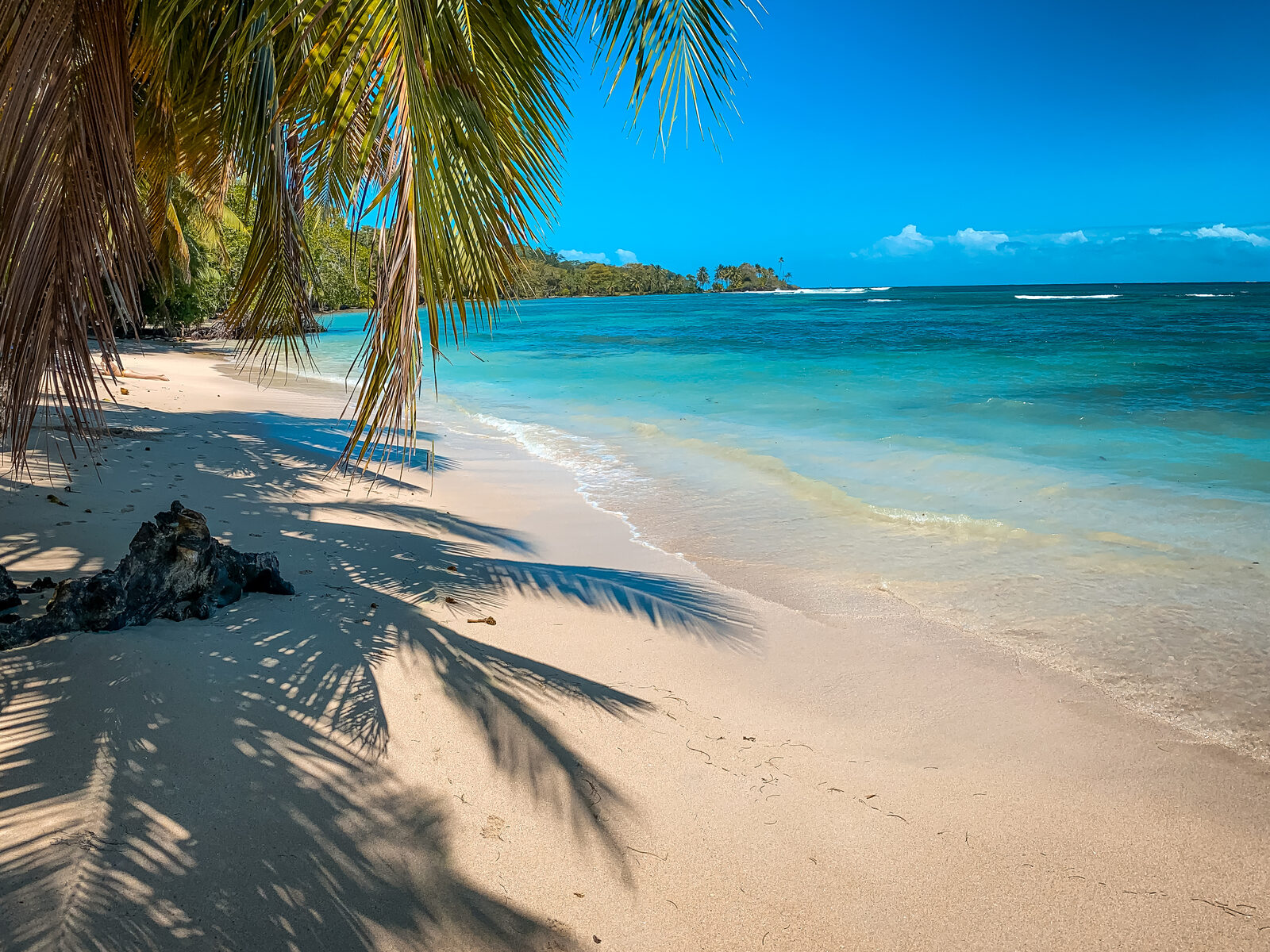
Bocas del Toro — paradise in high season, quiet in low season.
This reminds me of my time working in Bocas del Toro. I was 23 years old and loved working there, but when low season hit, businesses genuinely struggled. That destination's economy depends heavily on tourism and fishing, and once the rain sets in, simply nobody wants to go to paradise if it's going to rain all day. In fact, tourism authorities in the province have noted that Bocas del Toro can see drops of up to 40% during its low season months, mainly June, July, and August. That's the harsh reality of a destination that depends almost entirely on vacation tourism, without the cushion that corporate tourism gives the capital.
My honest conclusion
Don't box yourself into a single market. Before buying a unit thinking exclusively about Airbnb, ask yourself a key question: if this business doesn't perform as expected, could someone live there for extended periods, or even permanently?
The short-term rental market in Panama has real fundamentals: growing tourism, attractive returns, and a city that keeps positioning itself as a regional hub. But success isn't guaranteed just by buying in the right city. It comes from choosing the right location, understanding each building's regulations, knowing the destination's seasonality, and above all, not betting everything on a single business model.
Thank you for reading. I hope this perspective helps you make better decisions on your next investment in Panama.